
Secured vs Unsecured Loans: What Collateral Actually Is
Secured vs unsecured lending: what collateral actually is
A secured loan is backed by a specific asset the lender can seize if the borrower defaults. An unsecured loan has no such backing. That distinction shapes the interest rate, the recovery, and the entire risk model behind every credit market in the world.
Collateral is what makes the difference. It's an asset pledged in the loan agreement, with a legal claim attached (the technical term is "security interest") that the lender can enforce in court or, in modern systems, programmatically on-chain.
Mortgages, auto loans, margin loans, asset-based credit lines: all secured. Credit cards, signature loans, most corporate notes: not.
How it actually works
The mechanics come down to recovery.
When a borrower defaults on an unsecured loan, the lender joins the queue. They become a general unsecured creditor with a contractual claim against whatever's left of the borrower's estate, fighting alongside trade creditors, tax authorities, employee wage claims, and (in bankruptcy) a long roster of others. Recovery rates on senior unsecured corporate debt average 35-50% historically. On subordinated unsecured debt, far less.
A secured lender doesn't queue. They go to the asset. The legal posture is a perfected security interest: this thing is mine to seize and sell, and my claim sits ahead of every other creditor's claim on it. The asset gets liquidated. Proceeds pay the secured debt first. Anything left over flows to the next claim in line.
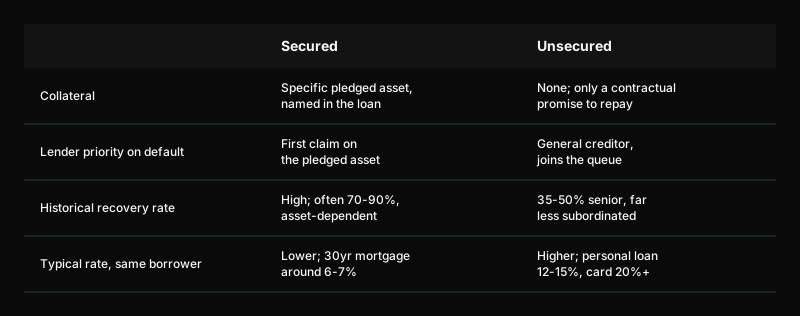
The price difference shows up immediately. Through 2025, the US 30-year mortgage averaged around 6.5%. An unsecured personal loan to the same borrower from the same bank ran 12-15%. A credit card balance, 22% or higher. Same person. Same credit history. The rate moves with what the lender can recover when the loan goes bad.
That's the underlying math. Loan rate equals funding cost plus expected loss plus capital cost plus margin. Collateral compresses expected loss, and the rate compresses with it.
Why it matters
Most of finance runs on this distinction, often invisibly. The rate a homebuyer pays. The rate a corporate treasurer pays for a revolving credit line. The capital stack of any leveraged buyout has the same shape for the same reason: senior secured term loans at the bottom (cheapest, because the lender's first in line on collateral), mezzanine in the middle, unsecured high-yield notes above that, common equity on top. Each layer prices to its expected recovery. (See Seniority and payment priority for the full ladder.)
Crypto-backed lending runs on the same logic. A digital asset holder pledging Bitcoin to borrow stablecoins is in a secured arrangement. The protocol holds a claim on the Bitcoin. If the loan-to-value ratio drifts past a defined threshold (typically because the collateral has dropped in price or the debt has grown with accrued interest), the collateral gets liquidated and the lender gets repaid before any other claimant sees a dollar.
What's different on-chain is enforcement. The seizure is programmatic and doesn't wait for a court order. The economics map cleanly to a TradFi secured loan. The plumbing is faster.
Where this shows up in institutional crypto-backed lending
Institutional crypto-backed lending pushes the secured model further. Instead of a 1:1 pledge, the standard is over-collateralization: pledge $1.40 to borrow $1.00, leaving headroom for the collateral to drop in price without breaching the loan terms or triggering a margin call. The buffer absorbs volatility. The lender's recovery stays intact even when the underlying asset moves 20% in a session.
The legal mechanics of secured lending stay the same. What changes is the size of the buffer. For why that buffer exists and how it gets sized, see Overcollateralization in institutional crypto-backed lending.